
Fast evolution of energy distribution market: challenges and opportunities for Distribution System Operators (DSOs) and utilities
The landscape of energy distribution is rapidly evolving, bringing both challenges and opportunities for Distribution System Operators (DSOs) and utilities. As the backbone of modern energy systems, they are at the forefront of grid modernization and digital transformation efforts.
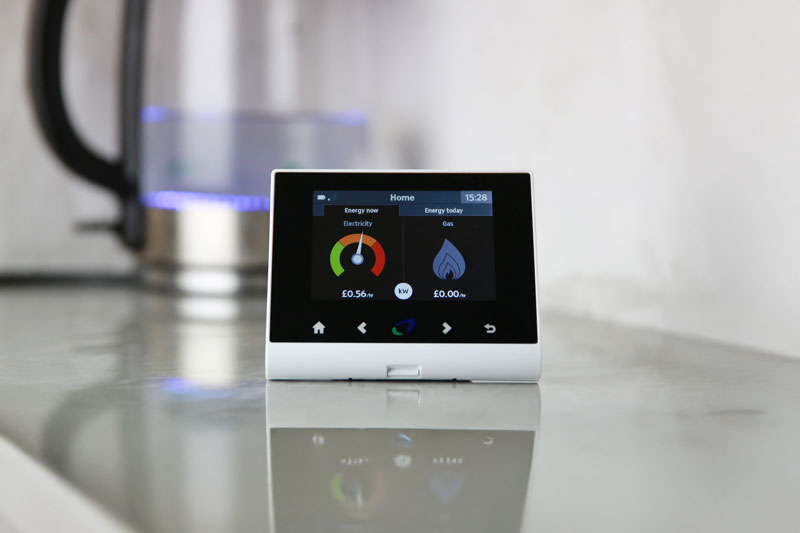
The shift to renewable energy requires a more flexible grid, as traditional grids struggle with the intermittent nature of sources like wind and solar. Modernizing the grid involves upgrading infrastructure, deploying advanced sensors, and implementing real-time monitoring, with smart meters providing detailed consumption insights.
The increasing digitization of the grid also heightens cybersecurity risks, making robust security measures essential to protect against cyber threats.
Overcome those challenges is crucial for ensuring energy efficiency and reliability, addressing shortages and reduce waste, enhance efficiency, and ensure fair energy distribution.
Cellular connectivity to collect reliable data in real-time from smart meters
To address these challenges and harness the opportunities presented by grid modernization and digital transformation, DSOs and utilities are increasingly turning to cellular connectivity. Technologies like NB-IoT (Narrowband Internet of Things), LTE-M (Long Term Evolution for Machines), and other cellular networks are becoming integral to the mix of wireless connectivity options, complementing traditional methods such as mesh networks and Carrier Power Line (CPL) communication. NB-IoT and LTE-M are specifically designed for IoT applications, providing low-power, wide-area network (LPWAN) extensive coverage, allowing DSOs and utilities to deploy smart meters in remote and hard-to-reach areas and scale deployments as needed. This reliable connectivity ensures continuous and secure data transmission, allowing DSOs and utilities to monitor energy consumption, detect anomalies, and respond to issues promptly.
eSIM/iSIM technology to get always-on connectivity for smart meters
eSIM (embedded SIM) and iSIM (integrated SIM) technologies offer significant advantages for ensuring everywhere and always-on cellular connectivity making it an ideal choice for utilities and DSOs looking to enhance their smart grid infrastructure.
Efficient deployment and business continuity
Firstly, eSIM technology provides flexibility in network connectivity. Unlike traditional SIM cards, eSIMs can be remotely programmed and reprogrammed to switch between different connectivity providers without the need for physical replacement. This is particularly valuable in smart metering, where devices may be deployed in diverse or remote locations. The ability to change networks remotely over the air ensures that smart meters is installed and remains with a reliable connectivity even if the coverage of the current network becomes insufficient.
Operational efficiency
This also significantly improves operational efficiency. Smart meters can be produced in a single factory using a streamlined, single SKU (Stock Keeping Unit) process, eliminating the need for manual SIM card insertion. Once manufactured, these devices can be shipped to any location worldwide, as the eSIMs can be remotely configured to connect to any local networks. This not only reduces production time and costs but also simplifies logistics and inventory management.
Longevity and device design
Also, eSIMs are designed for durability and longevity (>10 years), crucial for smart meters that often operate in harsh environments for many years. eSIMs are embedded directly into the device’s hardware, reducing the risk of damage, tampering or theft compared to removable SIM cards. This integration also helps in maintaining a compact device design, which is important for space-constrained meters.
Enhanced security
Another significant advantage is the enhanced security provided by eSIM technology. eSIMs support advanced encryption standards and secure authentication methods, ensuring that the data transmitted between smart meters and the central systems is protected against cyber threats. This security is critical for safeguarding sensitive energy consumption data and maintaining the integrity of the smart grid.
Lower total cost of ownership
Ultimately, the use of eSIM and iSIM technologies helps lower the total cost of ownership (TCO) for smart meter deployments. By reducing logistical complexities, enhancing security, and providing reliable connectivity, these technologies contribute to more cost-effective and efficient smart metering solutions. This allows DSOs and utilities to focus on their core mission of delivering reliable, efficient, and sustainable energy services to their customers.
Find out more about Idemia here.
Disclaimer
This is a blog space for debate where ESMIG members share their thought leadership. All opinions expressed are the authors. The content of this article is not an official position paper endorsed by the association.